IN DEFENCE OF REALITY TV
Written by: Sarah Hanlon
I love reality TV, and I also genuinely do not care about what people think about my viewing habits. Guilty Pleasure Viewing? I don’t know her. Big Brother. Real Housewives. Jersey Shore. Call me low brow, insult my taste, I couldn’t care less.
What I do care about however, is the pervasive and predictable dismissal of the genre.
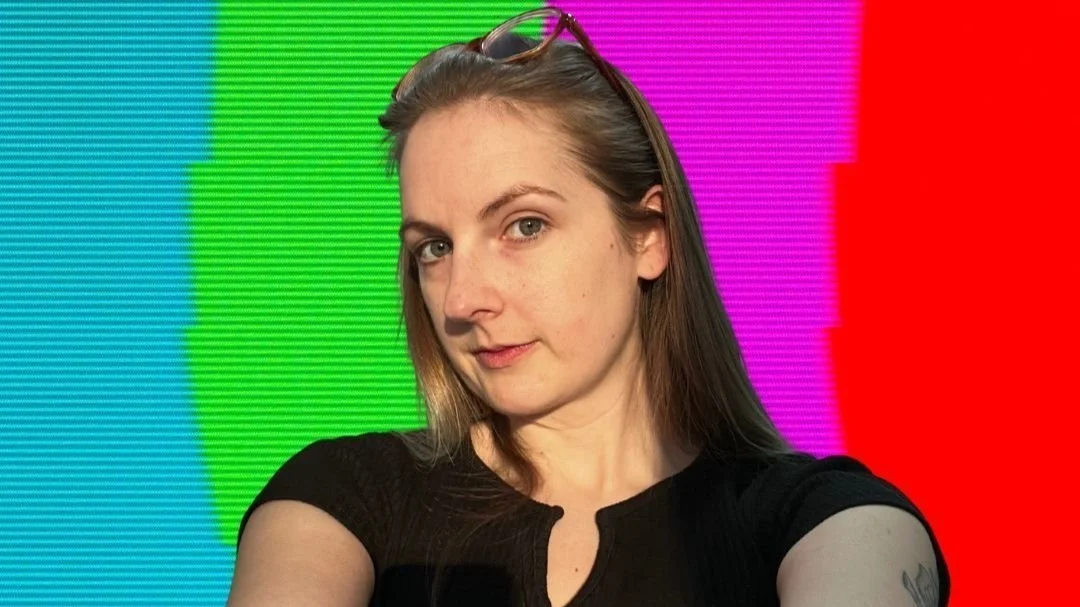
Not just because I love it and I have lived it (I won Season 3 of Big Brother Canada) but because, having studied it, I know it’s power.
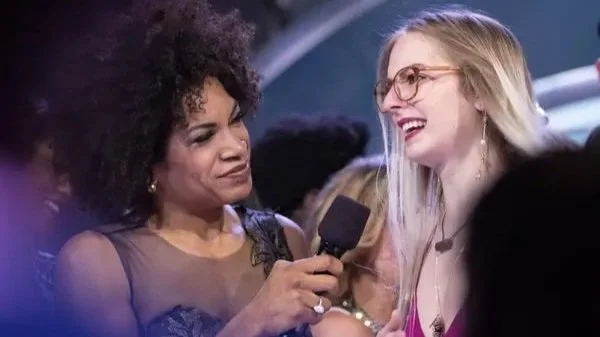
Here I am moments after winning Big Brother Canada Season 3
If the medium is the message, as Canada’s most famous communications expert Marshall McLuhan contended, I believe the emotional rawness, cultural reflections and social performances on reality TV will come to be recognized as the defining art form of our time.
The truth is - people love to hate on reality TV for lots of reasons.
The fact that reality TV is used as a stand in for ‘trashy’ television is very telling. When we think of reality television- why does public imagination go straight to certain types of reality shows when, for every Floribama Shore, there is an Antiques Roadshow or a Finding Your Roots? In fact, what is often classified as the first reality show - An American Family (1973), was a 12-hour long PBS series which followed the Loud family for seven months while documenting their day to day lives. Very not what we think when we think ‘reality’.
When people think about reality TV they think: ‘insipid and ridiculous”, “rude & unpolished & undressed”, trivial! So small!
But what if I told you the above quotes were referring to another storyteller’s characters. A storyteller whose work has been translated into over 100 languages, who wrote the most performed plays in the world, and in the process invented over 1,700 words.
That’s right, baby! I’m talking about none other than The Bard himself. William Shakespeare brought out the haters in a major way and the parallels to reality television are UNCANNY.
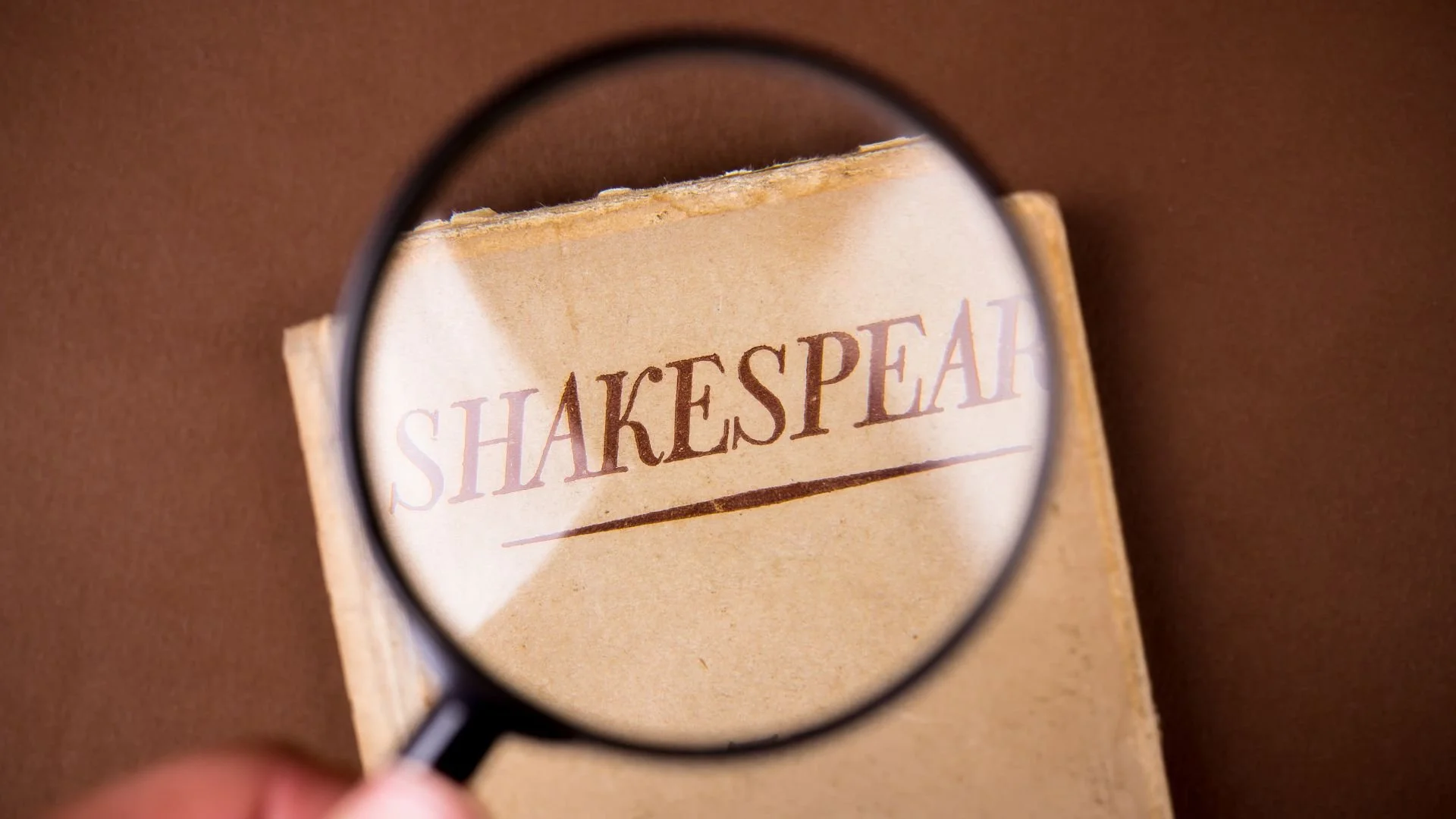
We’ve all heard that Shakespeare was criticized in his time for writing crudely for ‘the masses’. And while this is a little true - I guess it’s also overstated. Yes, people at the time condemned him for like, low brow puns and sex jokes, but Shakespeare was prolific and wildly popular in his own time; people from all audiences - especially aristocratic women were supporitve.
Critics of Shakespeare were more concerned with his realness; the rawness; the “too much”ness of his work.
This is important to note: Shakespeare did something which I imagine just rocked everyone’s world. He broke the rules of the literary genre in a big way.
The rules were this:
things should happen in one day
things should happen in one location
things should follow one story
Imagine a world where these rules are standard practice for most works and then Shakespeare comes in and is like:
“Okay so Lysander and Demetrius are in love with Hermia, who loves Lysander but Hermia’s Dad Egeus loves Demetrius and uses his connection with Theseus (Duke of Athens) to manipulate the situation…”
A Midsummer Night or Summer House? Hard to tell!
My point is: it’s easy to see why Shakespeare’s critics were like, “the guy needs to relax”. It’s also easy to see why reality television feels similar, blowing artistic doors wide open.
Shakespeare’s contemporaries felt this rule breaking came down to a lack of structure and discipline - but what if we look at that lack of form as being crucial to the message itself? If we borrow that lens for the way we think about reality television, can we appreciate the genre’s ‘messiness’ in similar ways?
Now, I do not mean to imply that all reality shows are good or important, that would be ridiculous of me, and it would also be Mr. Beast erasure. And, I want to make clear my defence of the genre is by no means a defence of the exploitative labour practices or privacy encroachment that reality television performers experience in a very real ways. As reality television experts like Jenn Pozner and Laurie Ouellette reveal in their decades-long work on the subject, there is much that needs to be done in the genre to both protect performers and mitigate audience perceptions of ‘otherness’ - but it’s my belief that part of the struggle with this work comes from the lack of respect the genre receives.
My hope is that if we, as a society, take the genre more seriously as an art form, we will begin to take those safeguards and initiatives more seriously as well. Unions for performers, aftercare to support the transition back to real life and protections for privacy are all crucial initiatives. But the reality of the matter is (pun intended), if we view reality television as trash - and those who participate on these shows as untalented, unskilled, and fame hungry - then protecting these people will not be deemed important and this work will be in vain.
What’s interesting here is that another criticism of our boy, The Bard, came later. Not about his form this time, but about his morals. He too was accused of a kind of ethical failure.
Writers like T.S. Eliot and D.H. Lawrence hated that Shakespeare portrayed unsavoury, immoral people; that he held a mirror up to society instead of using his plays to instruct it. He reflected the world as it was, not as he thought it should be.
Sound familiar?
Leo Tolstoy (Russian novelist and moral philosopher) might be the biggest hater. He called Shakespeare “a great evil”. His biggest concern was a lack of a clear moral message, the purpose of art in Tolstoy’s eyes.
Ultimately, for good or bad - Shakespeare’s legacy is this kind of ‘real’ and ‘unfiltered’ reflection of society.
Here is how I see it - and it’s the same way a bunch of literary critics and modern scholars have come down on the Shakespeare dilemma we’re talking about; our inability to see the moral lessons in art come from our own failure as an audience, not Shakespeare’s or…reality television’s.
If we watch Shannon Beador drink and drive or Jen Shah con the elderly and decide; that’s cool! Well, that’s on us. If we use the mirror that reality TV holds up for us to judge, condemn and laugh at, rather than reflect, empathize and dig deeper, well then, the haters will be right and we will have failed morally; not just the genre, but ourselves and society.
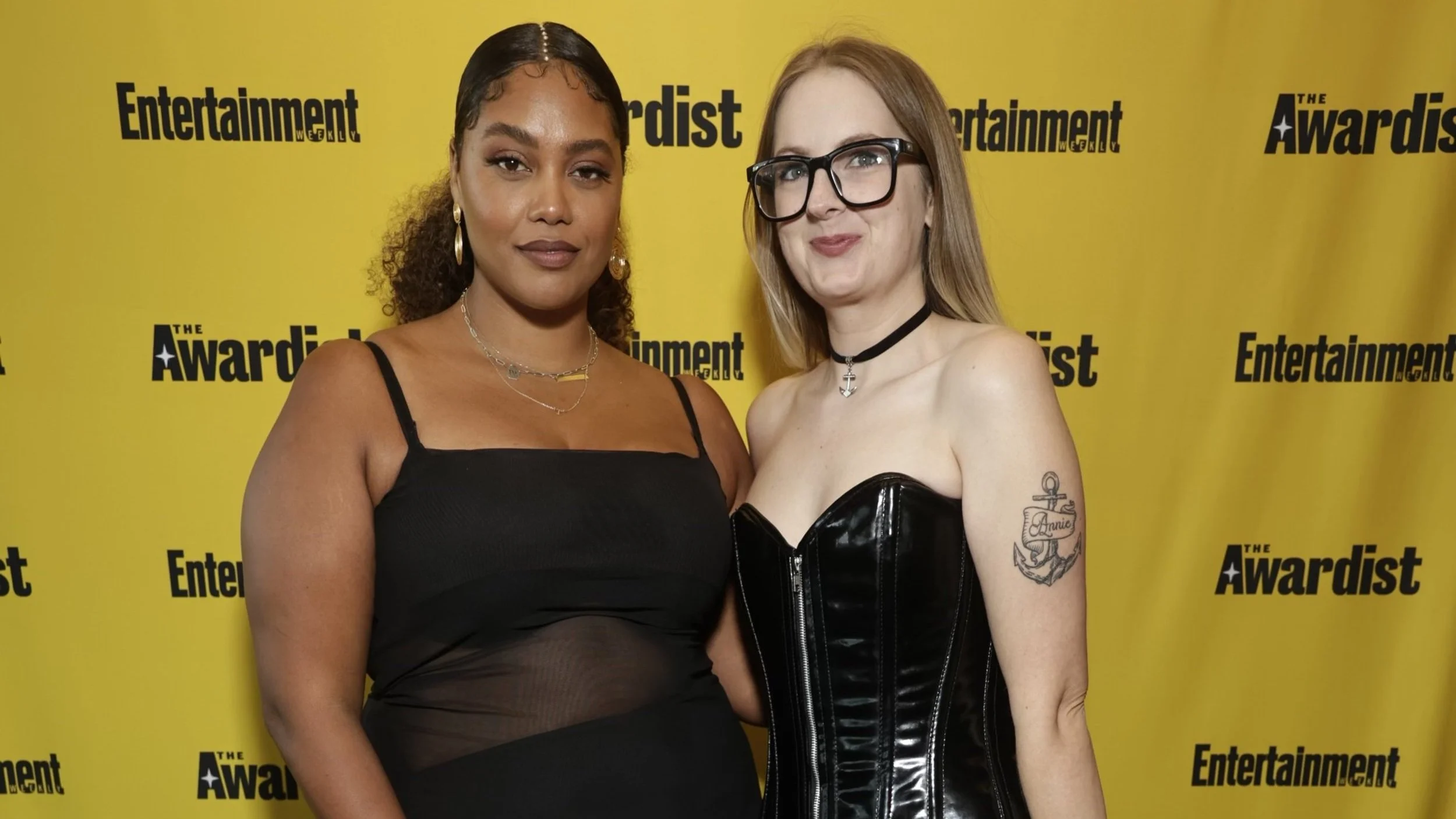
Me and my Big Brother bestie, Brittnee Blair.
Having been on reality TV, my opinion does actually matter here too! I am proud of my performance on Big Brother Canada where I was able to represent a lot of beliefs I had never seen on television before. As a child who grew up in front of the television, who learned all my major lessons from after school specials and Degrassi reruns, it was an incredibly subversive and radical act for me to step inside the TV.
I still get messages from people all over the world about how important it was to see someone talk about Queerness in the way I did on the show. I felt cared for by production in ways that previous jobs did not afford me. I met my best friend Brittnee Blair on the show, who also touched viewers lives in truly profound ways. We did great things! And I am so grateful to the show and the genre.
So, let’s ditch the guilt and embrace our love of reality by thoughtfully engaging with the genre; including ways which reflect how we as audiences are also part of the story.